Sleep Calculator
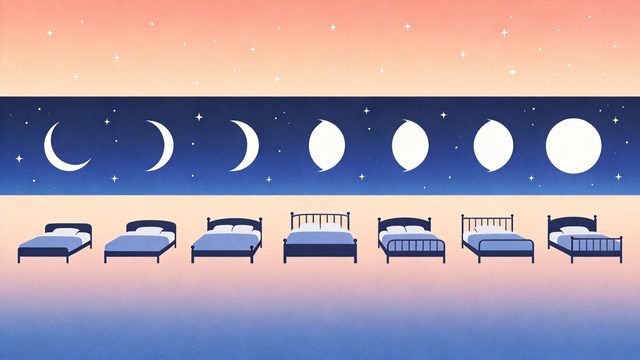
Find your ideal bedtime by 90-minute cycles.
→Plain-English guides on how sleep actually works, the daily habits that move the needle, and free calculators to put it into practice. No fluff, no miracle claims.
Find your ideal bedtime by 90-minute cycles.
→
Plan recovery across time zones.
→
Lion, Bear or Wolf — find your body-clock type.
→
White, pink & brown noise with a sleep timer.
→
Type your age, get your recommended hours.
→
8-question STOP-Bang risk screening.
→
Guided calming exercise, four rounds.
→
Drink coffee, nap 20 min, wake energized.
→
The 90-minute loop, stage by stage.
→
REM and deep sleep do different jobs — memory, mood, and physical repair. Learn what each stage does and how to protect more of both.
→
Your internal clock, demystified.
→
10, 20, 30, or 90 minutes — what each does.
→
12 practical tricks.
→
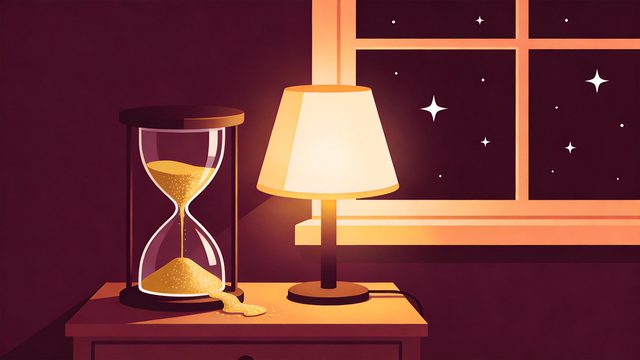
Sleep inertia is the groggy fog right after waking. Learn why it happens, who gets it worst, and practical ways to shake it off faster.
→
Sleep latency is the time from lights-out to sleep. Normal is 10–20 minutes. Here's what's too long, what's too short, and what to do about both.
→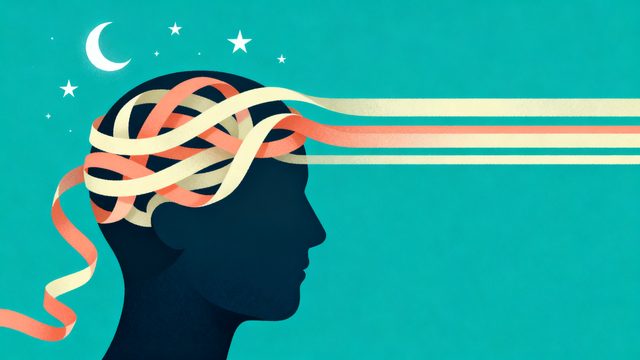
A racing mind at bedtime is arousal, not insomnia per se. Learn why thoughts speed up at night and practical techniques to slow them down.
→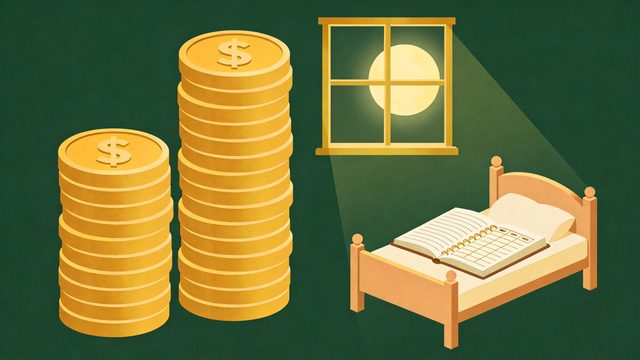
The hidden cost of short nights.
→
Sleep debt builds when you short nightly sleep. Learn whether weekend catch-up works, how much you can repay, and a smarter recovery plan.
→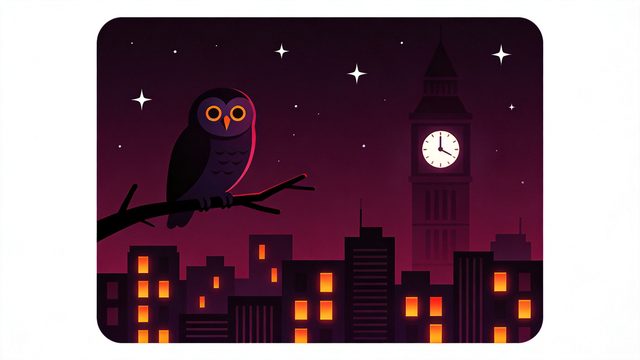
DSPD is a circadian disorder where sleep is delayed 2+ hours. Learn the signs, how it differs from insomnia, and what actually helps shift it.
→
Sleep hygiene is the set of daily habits that make good sleep easier. Here are 12 evidence-backed habits, ranked, that you can start tonight.
→
The ideal sleep temperature is around 18–20°C (65–68°F). Learn why a cool room helps you fall asleep and stay asleep, and how to hit it.
→
Blue light from screens can delay melatonin and shift your clock. Here's what the studies show, how much it matters, and practical ways to reduce evening light.
→
Morning light anchors your circadian rhythm better than any app. Learn how 10–20 minutes of sunlight resets your clock and improves night sleep.
→
Caffeine's half-life is ~5–6 hours, so a 3 p.m. coffee is half in you at bedtime. Learn to calculate your personal cutoff and protect sleep.
→
Working nights wrecks your body clock. Here's a practical night-shift sleep schedule: when to sleep, how to black out your room, and what to eat on shift.
→
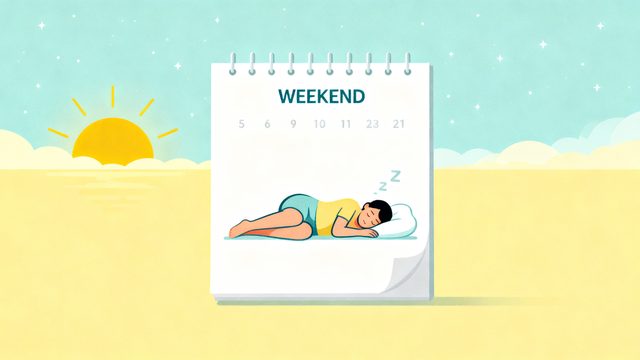
Social jet lag is the gap between your weekday and weekend sleep schedules. Learn how it harms health and how to shrink the gap without giving up your Saturdays.
→
A 20-minute power nap boosts alertness without sleep inertia. Learn the ideal length, timing, and how to nap at work without getting fired.
→
Magnesium glycinate is one of the most searched sleep supplements. Here's what the evidence says about dosage, forms, and whether it helps you fall asleep faster.
→
Melatonin isn't a sleep pill — it's a timing signal. Learn the right low dose, when to take it, and who should avoid it.
→
Consumer sleep trackers estimate stages with varying accuracy. A plain-English look at how they work, where they're wrong, and whether one is worth it.
→
Sleep needs by age, explained.
→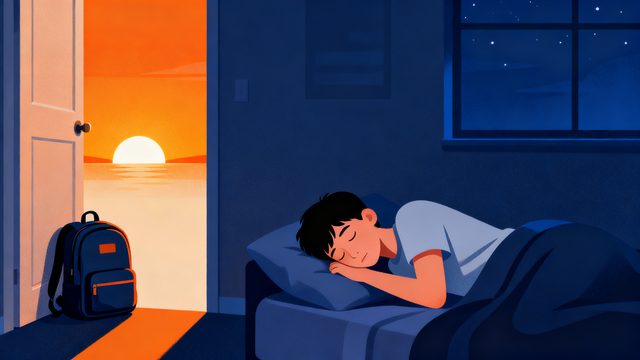
Teenagers need 8–10 hours but get far less. Learn why their biology runs late, how much sleep they need by age, and a simple schedule fix.
→
Reverse-engineer your ideal bedtime.
→